Connect
Subscribe to our monthly newsletter
Connect with other growers
Join our community forums
Sign in HERE to your FREE account
.png)
We are a non-profit group connecting Newfoundland and Labrador
gardeners, farmers & foragers to help them produce and distribute more local food.
Search Results
248 results found with an empty search
- Tsimshian Farmer’s Harvest of Ozette Potatoes Brings Hope for Greater Indigenous Food Sovereignty
Jacob Beaton reaped a bounty of potatoes from his farm in northwest B.C. last week — but they aren’t the kind of potatoes you’d find at the supermarket. Tea Creek Farm in Kitwanga had in fact completed its first harvest of Ozette potatoes, which Beaton says are one of the oldest kinds of potatoes that Indigenous people grew in the coastal areas of what is now British Columbia. Read the article at CBC.ca.
- The Indigenous Origins of Maple Syrup
Maple syrup production has deep roots in Indigenous cultures of northeastern North America, particularly among the Haudenosaunee Confederacy, which includes the Kanien'kehá:ka (Mohawk) people. Traditionally, they honor the maple tree, or "Wahta," as the leader of trees, marking its significance as the first to awaken in spring. The sugar maple (Acer saccharum) is prized for its sap, which is rich in sugar and nutrients like phosphorus, magnesium, potassium, iron, and calcium. Indigenous peoples utilized maple syrup not only as a sweetener but also for curing meats, enhancing medicines, and serving as an anesthetic. They also crafted portable sugar slabs from maple syrup for trade. The traditional process of maple syrup production involves inserting a wooden spile into the tree to collect sap, which is then boiled to remove water, concentrating its sweetness. This practice is experiencing a revival among Indigenous communities, reconnecting them with ancestral traditions and the cultural significance of maple syrup.
- Food Preserving – Drying
Meat, fish, fruits and some vegetables and herbs were traditionally dried to keep them edible for months or even years, and to allow them to be shipped greater distances to be sold. Here in Newfoundland, cod and capelin were dried and salted for export and local consumption, but many other methods of drying have been used by various cultures over past centuries. Pemmican Pemmican is a concentrated mixture of fat and protein used as a nutritious food. Historically, it was an important part of indigenous food in certain parts of North America, and is still prepared today. The word comes from the Cree word pimîhkân, which itself is derived from the word pimî, meaning “fat, grease.” The Lakota (or Sioux) word is wasna, with the wa meaning “anything” and the sna meaning “ground up.” Pemmican was widely adopted as a high-energy food by Europeans involved in the fur trade and later by Arctic and Antarctic explorers, such as Sir Ernest Henry Shackleton, Fridtjof Nansen, Robert Falcon Scott, Roald Amundsen and our own Bob Bartlett. Pemmican was prepared from the lean meat of large game such as bison, elk, deer, or moose. The meat was cut in thin slices and dried, either over a slow fire or in the hot sun until it was hard and brittle. About 5 pounds (2.3 kg) of meat is required to make 1 pound (450 g) of dried meat suitable for pemmican. After drying it was pounded into very small pieces, almost powder-like in consistency, by using stones. The pounded meat was mixed with melted fat in an approximate 1:1 ratio by volume. In some cases, dried fruit, such as blueberries, choke cherries, cranberries, or saskatoon berries, was pounded into powder and added to the meat/fat mixture. The resulting mixture was packed into rawhide bags for storage. It could be kept for a maximum of 10 years. Meat and Fish A basic requirement for drying meat or fish is to cut it thinly or at least into fillets or slabs and then expose it to sun, or heat of a fire or oven or other heat source, to extract water from the flesh. Not only does it become drier but the proteins coagulate and become more resistant to spoilage. Once dried, it can also be frozen. Lori McCarthy of Cod Sounds leads workshops in some of these methods of preservation. Fruits and Vegetables Drying of fruits, vegetables and mushrooms is much easier and more widely practiced. Dried apple slices can be made by coring them, slicing them into thin rings and stringing them then hanging them up to dry, either outdoors in the sun or indoors in a cool, dry room. This approach can be applied to other thinly sliced fruit or vegetables. Dehydrators are the modern way to dry vegetables and fruit, but thinly sliced meats can also be dried in a dehydrator. Mushrooms dry very well, and very quickly. If you don’t have a food dehydrator, you can use your oven, set on its lowest heat with the door open, to dry foods. When drying fruits such as apples, peaches or any thicker fruit or vegetable, slicing thinly will speed up the drying process. Mushrooms can be dried whole, as well as berries or leaves such as kale, which turn into dried kale chips. Drying times can vary from a couple of hours to a full day or over night. Drying Herbs Method 1: Outdoors on a clean surface, shaded from direct sunlight. Spread fresh herbs on a tarp, cloth, or other clean surface on the ground. To keep plant material out of direct sunlight, choose a naturally shaded area or create shade with a canopy, shade frame, or hoop house. Method 2: In layers on drying frames or screens. This method maximizes available space much like an urban skyrise: spread herbs on screens or drying racks that can be stacked on top of each other in a frame. If your drying room is small enough, use a dehumidifier to speed up the drying process (this applies to any indoor drying method, including the next method below). Method 3: Bunched for hanging or drying in paper bags. Collect herbs into small, loose bundles, and hang from nails or a string (much like a clothesline) in an out-of-the way location away from light. Bundles may be tied with string, twist-ties, or elastic bands (to keep individual stems from slipping out of the bundles as they shrink with drying). Alternatively, bundles may be placed in paper bags to prevent contamination by dust or other particulate matter. When drying herbs in paper bags, the bags should be left open or have holes cut into them to allow air to circulate. Method 4: In dehydrator. Layer herbs on racks in an appliance designed to maintain air flow and control temperature. Dehydrators range from standard home food dehydrators (choose one with an adjustable thermostat) to larger, specially designed cabinets. Method 5: In an oven at a very low temperature. Spread herbs on trays or oven sheets, and place in an oven that can be set to a temperature below 100 degrees Fahrenheit (gas ovens can be kept off with only the pilot light lit; the light bulb in some ovens may provide enough heat), and monitor for dryness. If needed, the oven door can be left ajar to increase air circulation and ensure that the temperature doesn’t rise too high. Shawn Dawson’s Kale Chips Pick a good bunch of kale. Wash and clean away any debris or other forms of life. Shake the water off or wait for them to dry. Place on an oiled cookie sheet and turn to oil both sides. Sprinkle on sea salt and Parmesan cheese. Bake in oven at 250 degrees Fahrenheit until they turn crisp, checking to make sure they don’t burn or overcook (about 15 – 20 minutes). Oven Dried Tomatoes (Old Farmer’s Almanac) Preheat the oven to 150 degrees Fahrenheit. Wash about 5 pounds of tomatoes. Peel the skins, if desired. Remove the stems and blemishes. Cut the tomatoes in half, take out the seeds, and then cut the halves into ½ to ¾ inch slices. Place the tomato slices on cookie sheets so that they do not touch each other. Sprinkle with seasonings or salt, as desired. Place in the oven and bake slowly for 6 to 10 hours, depending on the variety, size, and moisture content of the tomatoes. Use an oven thermometer to monitor the temperature and make sure that it is correct; adjust as needed. Check the tomatoes every so often and switch sheets from top to bottom racks and back to front. Turn the tomatoes over occasionally. The tomatoes are done when they turn dark red and are leathery and dry; they should be flexible, not hard or brittle. If they are tacky or moist, just keep baking. When they are ready, remove the sheets from the oven and cool to room temperature. Place in plastic bags, squeeze out the air, and store in the refrigerator for 2 to 4 weeks or in the freezer for 8 to 12 months.
- Food Preserving – Salting & Pickling
Salt beef was the staple food of British sailors for centuries. We still eat salted naval beef or salt pork with our Jigg’s Dinner, here in Newfoundland and Labrador, continuing that tradition. Salting in barrels was a principal way that fish and meat were preserved or shipped for sale, before frozen foods became available. Salt cod, dried on flakes then salted and put into barrels was the premier export product that connected Newfoundland and the Grand Banks with the production of salt, sugar and rum in the Caribbean and the marketing of bacalao in Portugal and salt cod to other parts of Europe. Salt is an effective preservative, not only because it dries out the proteins in the meat, but salt makes the meat or fish inhospitable to bacteria, moulds and other decay organisms. Salting was one of the original ways that humans learned to preserve hunted meats and is still in use. It produces some of our favourite foods, from salt beef to salami and can be combined with smoking to preserve flavour and edibility. Pickling in brine was also widely used for meats, fish and vegetables all over the world. There are many different pickled foods throughout the world, in many different food cultures and traditions. There are two main methods for pickling. True pickles are fermented by mixing vegetables, often chopped or shredded (but sometimes whole, as in pickled cucumbers) with salt. In the brine, natural fermentation occurs and a wonderful salty, sour flavour results, which also preserves the food for storage and later use. Traditional kosher pickles made in this way are much tastier than store bought commercial pickles, made by the other method: making up a prepared vinegar solution and then immersing vegetables in the acid vinegar and water mixture. Traditional spices used in pickling include garlic, peppercorns, coriander and bay leaf, among others. Sweet pickles are a variation in which sugar is added to the pickle solution to give the resulting pickles a sweeter taste. Just about every culture has practiced some form of pickling to preserve food. In Korea a common and tasty naturally fermented cabbage pickle is kim chee. This wonderful spicy vegetable pickle is easy to make. Kim Chee Ingredients: 4 cups water 4 tbsp. sea salt 1 large head of cabbage or Chinese cabbage, shredded or cut into small pieces 1 grated daikon (white) radish or 1 cup asparagus cut into one-inch pieces 2 scallions (green onions) chopped a few green beans 2 minced cloves of garlic 2 tbsp. of fresh minced ginger root ½ to 1 tsp. cayenne Mix salt in water to dissolve it, then add the cabbage and daikon in a large crock or stainless pot. Cover with a lid or plate to keep vegetables submerged in brine. Soak for 12 hours, pour off and save the brine. Check vegetables for saltiness (if too salty, rinse; if not enough salt, add more, a quarter teaspoon at a time, to the brine). Mix together asparagus, beans, scallions, garlic, ginger and cayenne. Put cabbage and other vegetables into a large crock or stainless steel pot and pour brine back over them, making sure they all stay submerged. Cover with clean cloth and set aside for three to seven days, at around 70 degrees Fahrenheit, to ferment. If it is colder it will take longer. Check Kim Chee daily to make sure vegetables are always covered. Once ripe and sour, it will keep refrigerated for months to eat with oriental food, sandwiches, etc. It can be hot canned for longer storage. Bruising the vegetables before storing in jars will ensure better penetration of the juice. Dawson’s Pickled Fireweed Shoots Ingredients: a large handful of fireweed shoots for each jar you will make white vinegar water sea salt pickling spices brown sugar Clean and rinse fireweed stalks, removing harder (lower) ends. Cut to desired length. In a large pot mix vinegar and water in equal amounts. Add 1 tsp. salt and 1 tsp. sugar for each jar. Clean and sterilize jars in oven (250 degrees) or hot water. Pack jars with fireweed stems, after placing a tbsp. of pickling spice in the bottom of each jar. Heat brine to boiling, then turn off. Pour in brine to cover stems, leaving at least ¾ inch space at top for sealing. Put on canning lid and tighten rim. Place jars in water bath canner, already boiling and cook for 10-15 minutes. Remove and place on towel to cool and seal. Will store well for several years, but best to eat within a year.
- Sheep Farming in Canada
Sheep farming (family bovidae; species ovis aries) in Canada goes back as far as the beginning of agriculture. The first sheep were introduced to the country in 1664. Learn more about it HERE.
- Welcome to Sheep Farming in Canada!
Lynn and Arnie's operation is a large scale, registered Suffolk and Poll Dorset sheep farm combining the best of pasture and confinement to manage the flock for maximum comfort, minimal stress, and producing a consistent, very high quality product. Ewetopis Farms' focus is on providing breeding stock for sale to other sheep producers. All of their sheep are treated with the utmost compassion, which becomes evident as we join them on their daily rounds on their working sheep farm in eastern Ontario, Canada. Watch the video below:
- Beauty and Grit: A Look into Ontario Sheep Farming
Barbara McLean, with her husband, retired doctor Thomas Wilson, has been running a sheep farm in Ontario for 50 years. What changes has she seen over the years? Jeyan Jeganathan talks to McLean about her life on the farm, and her plans for succession, and other topics from her book, "Shepherd's Sight: A Farming Life." Watch the interview below:
- 5 Mistakes to Avoid When Raising Rabbits
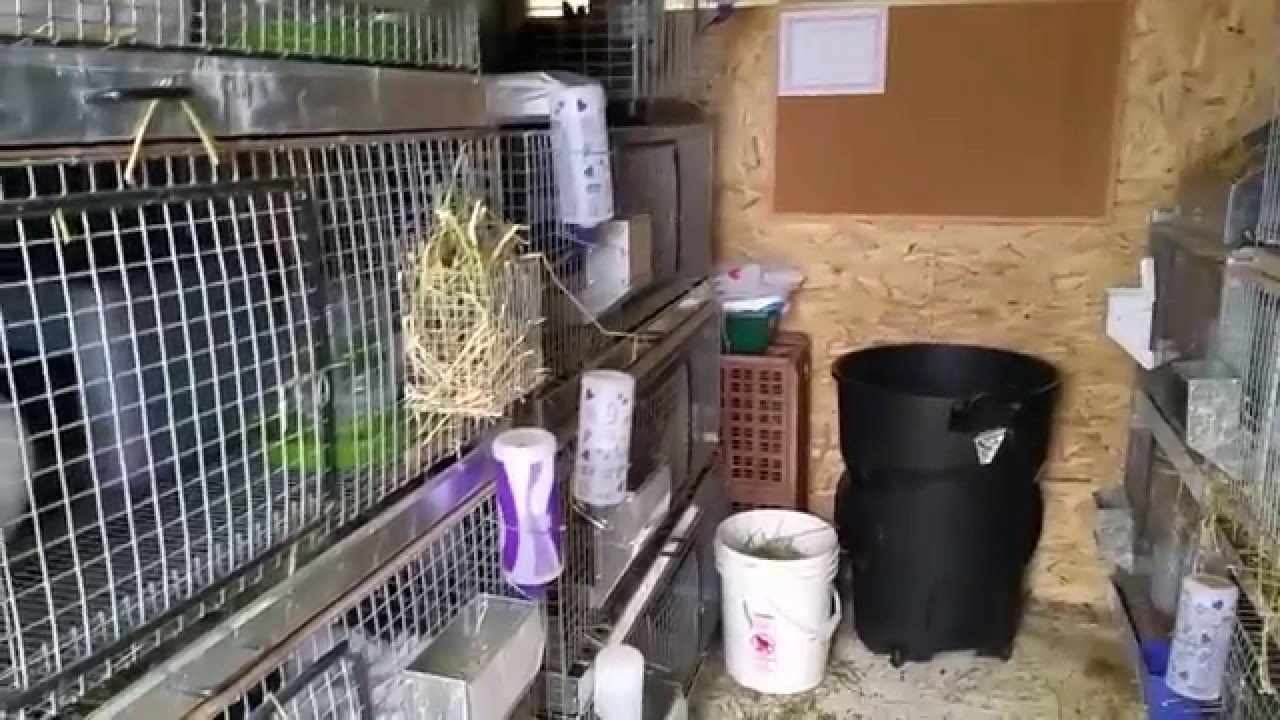
Have you been on the fence about raising rabbits? Check out this video to learn five common mistakes to avoid when or before you start raising rabbits. Watch the video below:
- Raising Rabbits: Getting Ready for Winter
Check out this video to learn how to get the meat rabbits ready for winter! While rabbits do prefer the cold weather of winter, rather than the summer, there is still a few things that you will need to do to keep them dry and out of drafts. Watch the video below:
- Raising Meat Rabbits
Check out this publication by Agriculture and Agri-Food Canada that covers everything you may need to know about raising meat rabbits in Canada! Access the publication HERE.
- Raising Pigs for Beginners!
If you're raising pastured pigs, you know that getting started can be tough. Luckily, Heifer USA have created an in-depth beginners guide to raising pigs, starting with unloading pigs on your farm for the first time! Before you start raising pigs for meat, you've got to know how to care for piglets - and this video is the perfect tool for training piglets! This installment in the Pig Farm Training series covers topics like preparing your piglet barn, receiving new piglets, and training your pigs for pasture. Watch the video below:
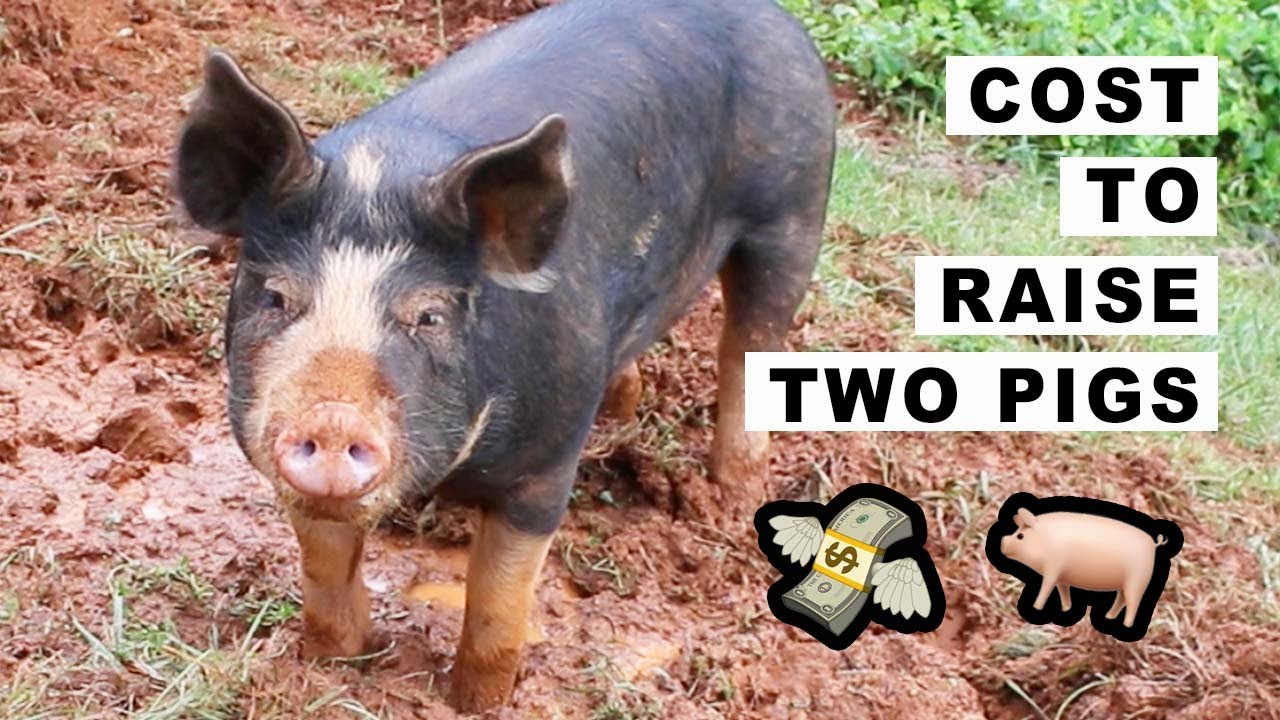
- Cost to Raise 2 pigs on 1.5 Acres
Check out this video to learn how much it can cost to raise two pigs and how much you can sell one for: