top of page
.png)


We are a non-profit group connecting Newfoundland and Labrador
gardeners, farmers & foragers to help them produce and distribute more local food.
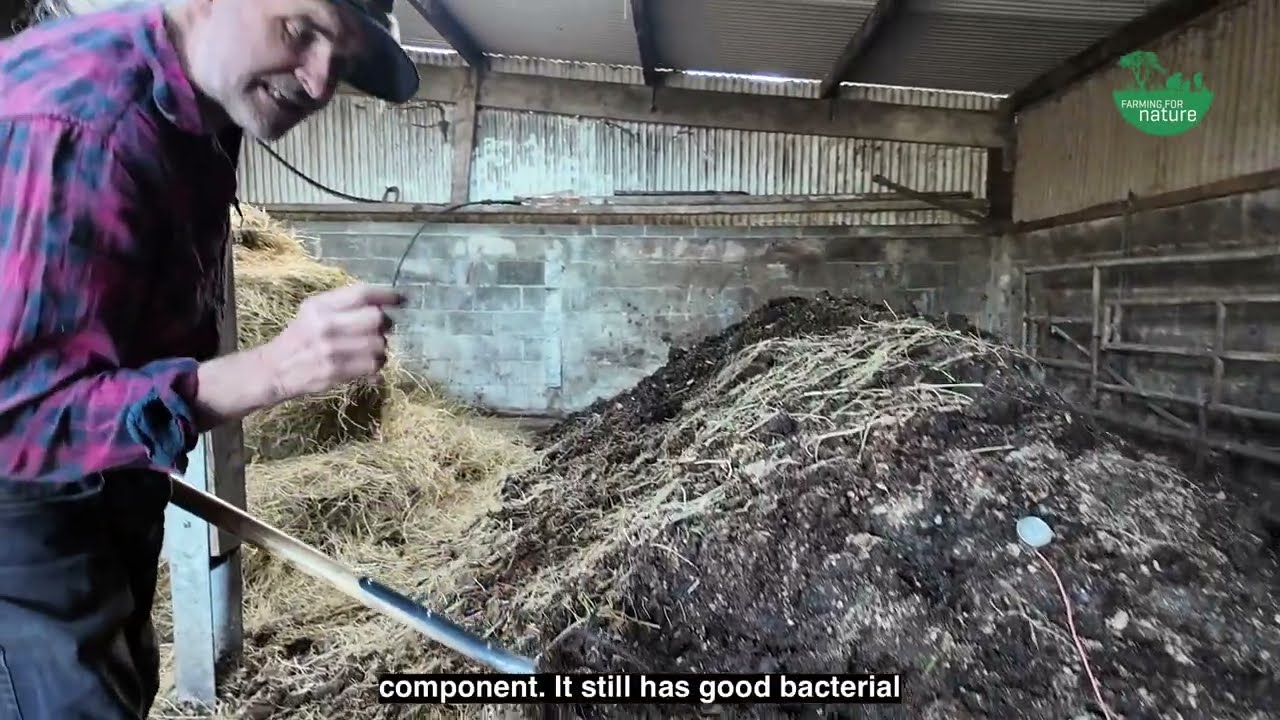
All About Composting
This short video with educator and Farming for Nature’s ambassador, Jim Cronin, takes you through why you should compost, how to do it, and what to look out for. This video deals with both small and large scale composting. Watch it below!


2025-26 Annual Report Now Live
Our Annual Report (covering the past 18 months) is now live — covering the most consequential 18 months in FPF’s history. Swipe through for a few pages on the work we’re doing together across NL, with beautiful hand-drawn illustrations by one of our staff members — a local master forager Shawn Dawson. Read the full report HERE.


Beach Greens
Beach or Shore-greens are a variety of edible greens that can be found in coastal areas or beaches where the high tide mark usually ends. Most of these greens can be found mid to late spring here into the summer. A lot of tasty salad ingredients grow on our beaches and they have very unique flavours mostly with a hint of salinity from growing so close to the ocean. Here are some of my favourites. Oyster Leaf Oyster leaf, or sea bluebells is a beautiful flowering plant found o


Provincial Food Network Co-operative Launching June 25th in St. John's
A new provincial co-operative is being launched to rebuild local production, education and direct distribution of food in Newfoundland and Labrador! The founding AGM and information session will be held Thursday, June 25, from 7 to 9 PM at St. David’s Presbyterian Church on 98 Elizabeth Avenue in St. John’s. The Provincial Food Network Community Service Co-op has emerged from a province-wide two-year project that connected Indigenous communities, farmers, gardeners and forage


Tips for Starting Seeds Indoors
Timing Find out the average or typical last frost date in your area and count back 8-10 weeks depending on what you want to plant. Sometimes starting too early can result in root bound plants that can require more space than you can give them inside, and starting too late can result in a short to non-existent harvest. Tomatoes: 6-8 weeks Peppers and Onions: 8-10 weeks Squash, Zucchini, Cucumbers, and Pumpkins: 3-4 weeks For root crops like carrots, radishes, parsnips, etc., i


How Do We Feed Ourselves? A New FPF Report
In March, Food Producers Forum brought together fourteen people who work across the NL food system — farmers, fishers, food scientists, researchers, processors, educators, nonprofit reps and policy advocates — for a wide-ranging conversation on its problems and potentials. The first result is a new report: How Do We Feed Ourselves? A Report from the Provincial Food System Think Tank. One afternoon was never going to resolve the formidable issues in play, but the session estab


Waste Not! Addressing Food Waste Across Newfoundland & Labrador's Food System
On Friday, May 8, Food Producers Forum and the Faculty of Medicine at Memorial University are hosting Waste Not! — a full-day symposium on food waste and food sovereignty in Newfoundland and Labrador. The event will feature four panel sessions moving through the full food chain — terrestrial production, fisheries, retail and consumer waste, and a final integration session focused on priorities and pathways forward. Panelists include researchers, farmers, government and indust
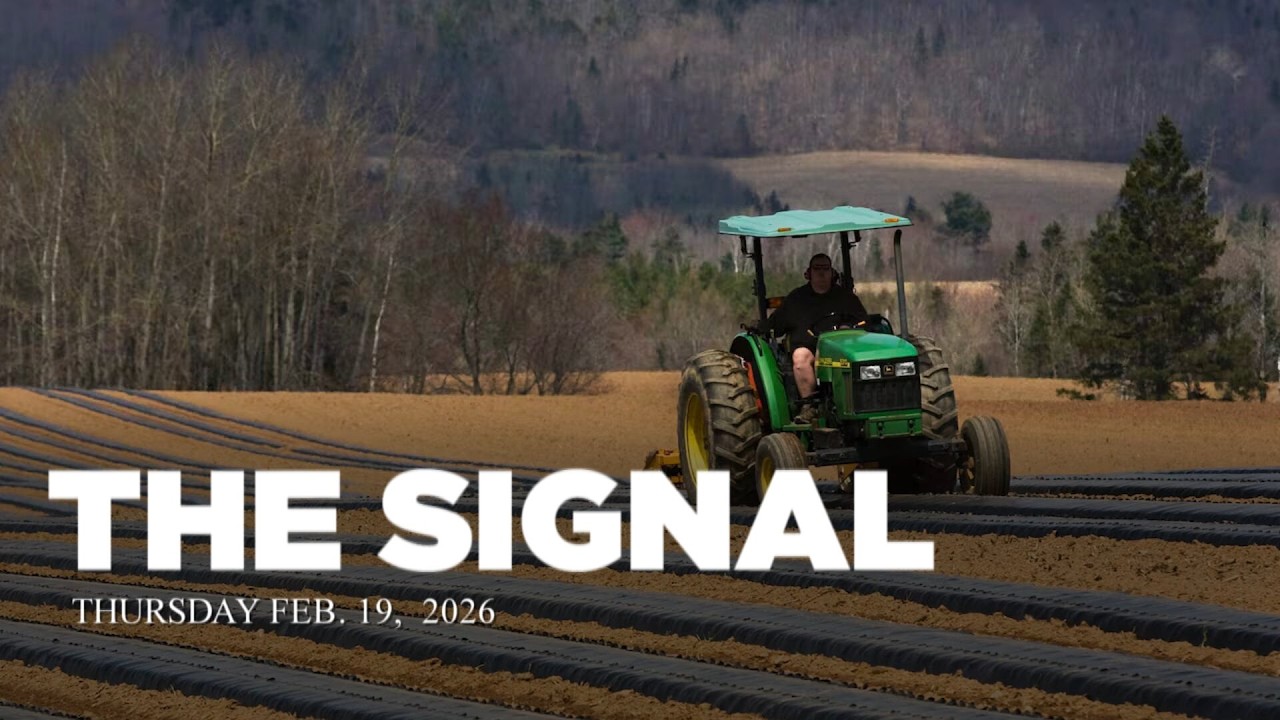
Local Farming History
On this episode of CBC Radio One's The Signal, host Adam Walsh talks with Food Producers Forum current and founding chairs, Alison Snow and Dan Rubin, respectively; along with playwright Frank Holden; Darren Dinsmore from Aldercroft Farm; and, finally, author Hilday Chaulk Murray. Topics are rich and wide-ranging, but all related to farming and food security, with this guiding question: what can we learn from the way we used to farm to help us today?

The Revolutionary Seed-Starting Method
Got cluttered window sills full of seedlings or plug trays taking over shelves? Here's the solution for you – a revolutionary seed-starting method that will save space while improving seedling health and success! In this video, Ben demonstrates the ins and outs of making and using seed snails.


Fireweed
Fireweed is a perennial wildflower, best known for its breathtaking pink-purple flowers to be found growing in abundant patches. It gets its name because it is one of the first “weeds” to come back after a forest fire. Thanks to its beautiful magenta blooms fireweed is a very easy plant to identify. The flowers can be harvested to make jelly, but the young shoots of fireweed can also be foraged for food because they make a great substitute for asparagus. You will want to pick
bottom of page